Safety Function Validation
Verification and testing of safety functions in accordance with applicable regulatory requirements
The PL is verified,
not assumed
To ensure the correct implementation of safety systems and the protective measures defined in the Detailed Engineering Project (PTI), a validation process — comprising analysis and testing activities — must be carried out. This activity verifies that the protective measures are correctly installed, function as intended, and comply with the applicable regulatory requirements.
Safety function validation is the essential step that links the design phase to the actual commissioning of the safety system.
When is it needed
Safety function validation is required when:
- Safety functions have been implemented on machines or plant;
- It is necessary to verify the correct application of protective measures defined in the engineering project;
- Compliance with applicable standards (e.g. EN ISO 13849-1 and EN ISO 13849-2) must be demonstrated;
- Objective evidence of the achieved Performance Level (PL) is required.

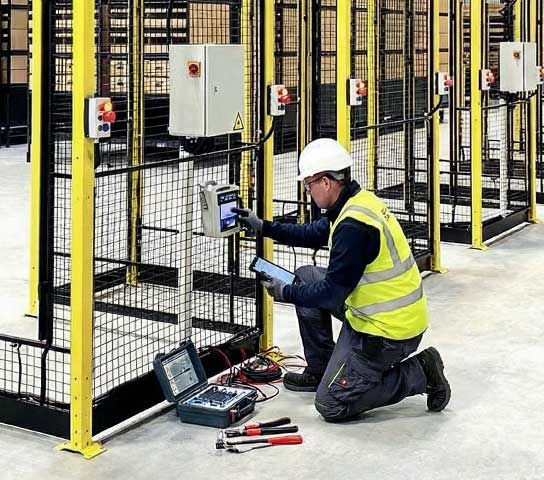
How the activity is carried out
The safety function validation process comprises structured analysis and testing activities, including:
- Verification of the conformity of safety functions with applicable regulatory requirements;
- Verification of the correct installation of safety components;
- Functional testing of safety functions under real operating conditions;
- Fault simulation and verification of correct system behaviour;
- Analysis of the achieved Performance Level (PL) and comparison with the required Performance Level (PLr);
- Verification of the correct implementation of the defined reaction logics.
What we deliver
At the end of the activity, we provide:
- Documented evidence of the verification and testing activities carried out;
- Technical validation documentation, comprising: safety function specifications, block diagrams, PL calculations and assessments (PL ≥ PLr), fault exclusion analysis, reaction matrix and test results;
- We support manufacturers and end users throughout the safety function validation process, providing a structured approach that is compliant with regulatory requirements.